
Worphan Zimbabwe
Community-led care shaped by daily responsibility.
Worphan’s work in Zimbabwe is grounded in long-standing, community-led care for orphaned and vulnerable children. The work did not begin as a program or organisation, but through individuals who took responsibility when children had nowhere else to turn.
Support in Zimbabwe focuses on strengthening what already exists: local caregivers, education, daily stability, and long-term commitment. Decisions are guided by lived experience, local knowledge, and an understanding that meaningful care is sustained over time, not delivered quickly.
The work in Zimbabwe centres around a community-based orphanage and school in the Gweru region. Approximately 25 orphaned children live full-time at the orphanage, where they receive daily care, stability, and support.
25
Children in residential care
Alongside this, the school provides comprehensive education for around 100 students, from preschool through to O-Level. Children attend from the surrounding community as well as those living at the orphanage.
Students in full time education
100
Education is continuous and structured, covering early childhood learning through secondary completion. The school operates as a single, integrated environment, combining care, learning, and long-term development in one place.
The Orphanage & School
The orphanage and school are based in Lower Gweru, within Zimbabwe’s Midlands Province.
Children arrive from surrounding communities, some to live full-time at the orphanage, others to attend school, in a place that has grown gradually in response to local need.
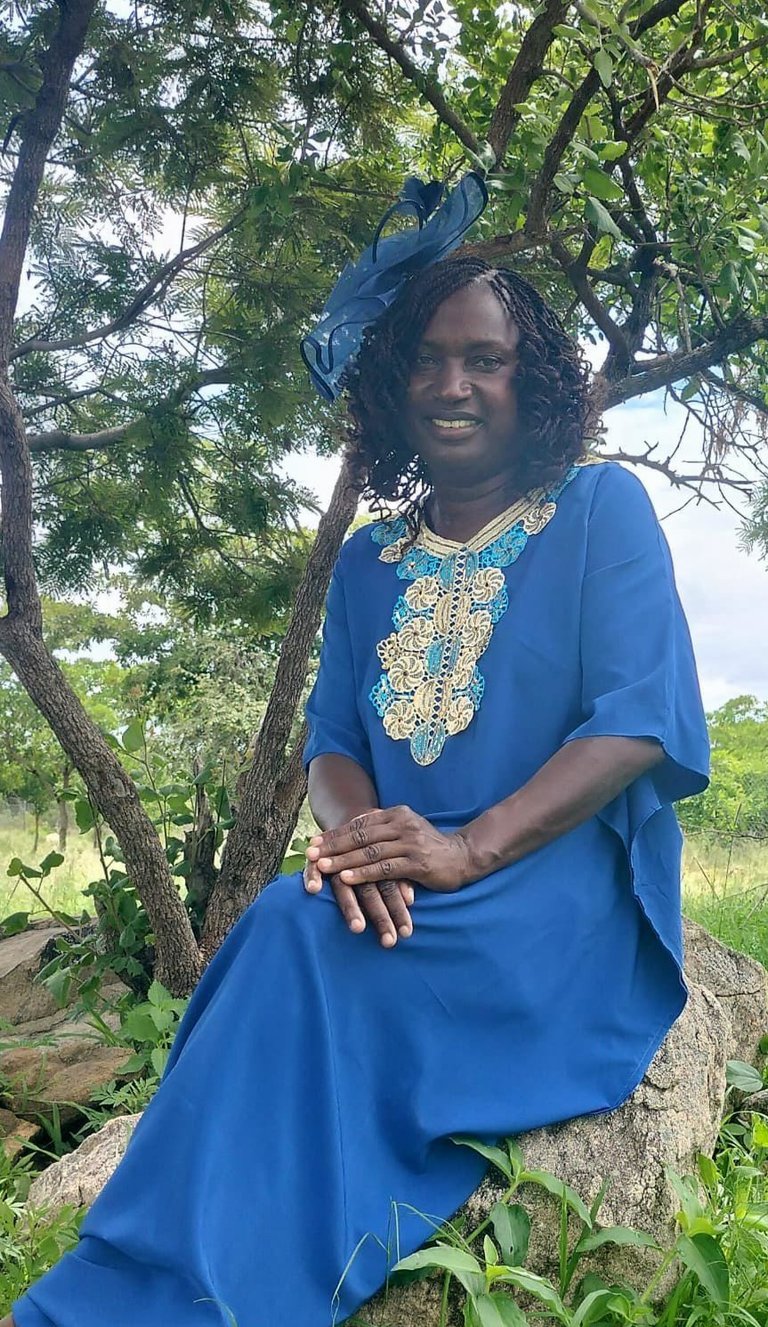
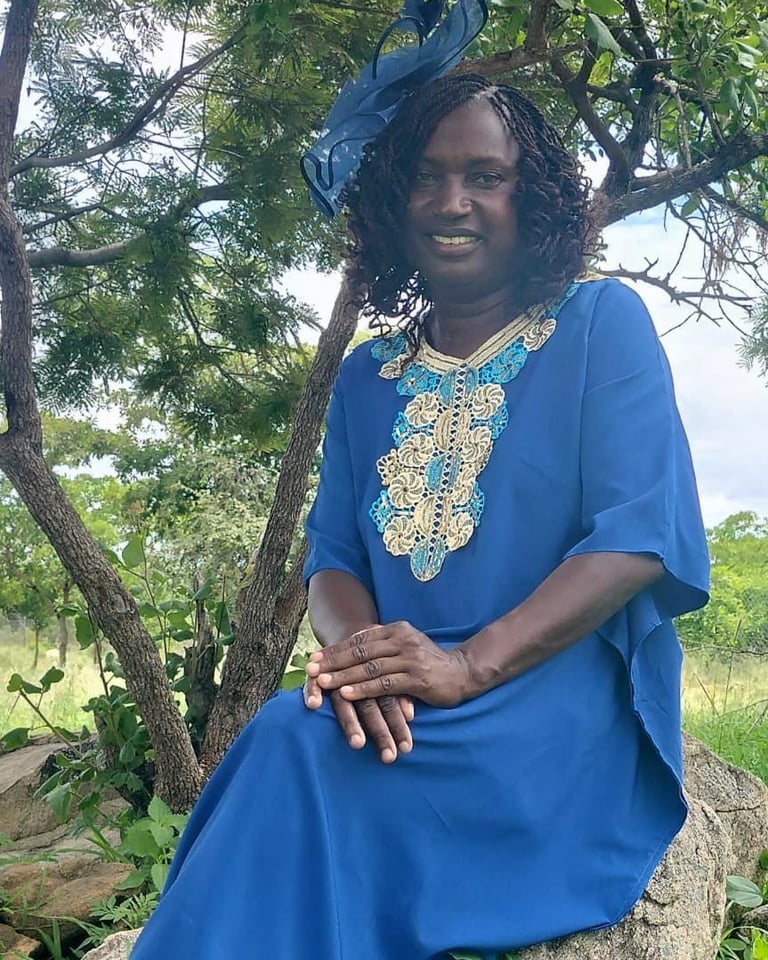
Lizy is a former nurse, a mother, and a widow based in the Gweru region. She began caring for orphaned children long before Worphan existed as a name. When children in her community were left without care, she took responsibility for them—not as an initiative or intervention, but as a response to the needs directly in front of her.
Her care has always been practical and relational: providing shelter, food, education, and consistency over many years. Lizy’s work reflects the reality that long-term stability for children is most often carried quietly by those already embedded in their communities.
Our Carers and Teachers
Local leadership supported by a wider teaching and care team.
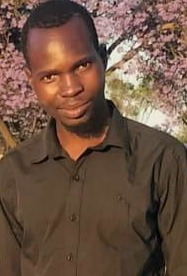
Kudze came into Lizy’s care as a teenager, alongside his two brothers, with little formal education and limited support. Under Lizy’s care, he was able to complete his schooling and continue his education.
Today, Kudze teaches at the same school that once supported him. He now works alongside Lizy, contributing to the care and education of children in the community. His story reflects the long view of this work, where care given over time becomes leadership, continuity, and shared responsibility.